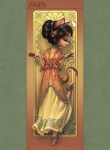
Concept: a bunch of high school Satanists get drunk in the local graveyard and try to conjure a demon, but they’re using one of those “reconstructionist” ritual books that gets its sources all mixed up, so they end up with a minor Mithraic fertility spirit that hasn’t spoken with humans in like 1700 years instead. By the terms of its binding it’s not allowed to leave until it’s ensured a successful harvest for its summoners, which is a problem, because none of these goobers have ever raised so much as a houseplant; if it wants to go home, it’s going to have to teach them how to garden – whether they want to learn or not!
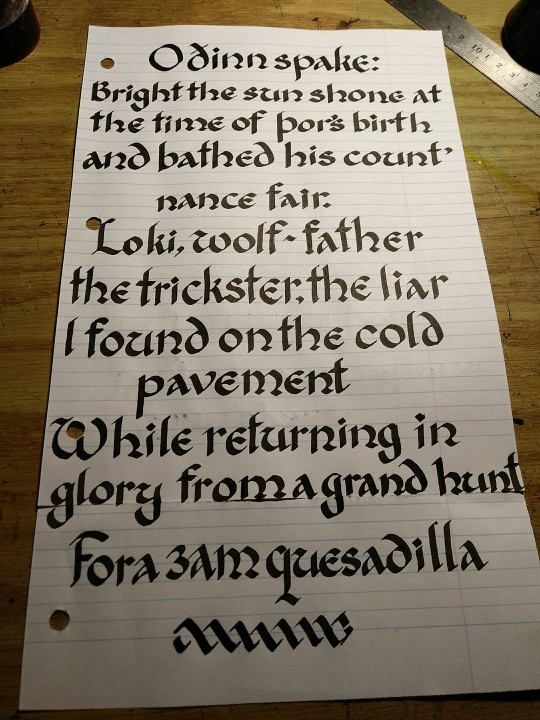
odin is like “when thor was born the sun shone bright upon his beautiful face. i found loki on the sidewalk outside a taco bell”
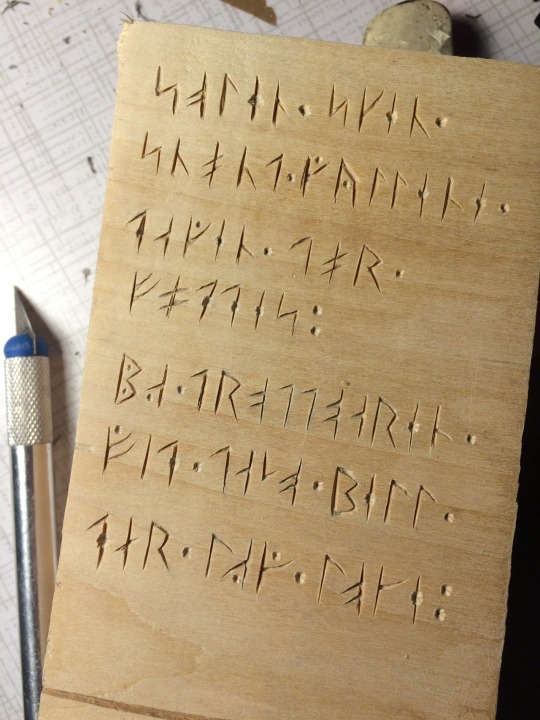
Oðinn spake:
Bright the sun shone | at the time of Þor’s birth, And bathed his count’nance fair. Loki, wolf-father, | the trickster, the liar, I found on the cold pavement While returning in glory | from a grand hunt For a 3 AM quesadilla.
Nationalist Dadabhai Naoroji and pioneering economic historian Romesh Chunder Dutt demonstrated that British Indian famines arose from the way the colony had been forcibly incorporated into the global economy. High taxes, which had to be paid even when the crop failed, forced farmers to relinquish to the market whatever harvest they could gather – and to the moneylender or taxman almost all the cash they thereby earned. As a result, the poor had too little money left in hand to buy enough grain for their own needs. Their ever-diminishing purchasing power relative to consumers abroad, in concert with rigorously enforced free-trade policies, ensured that a substantial portion of the surrendered harvest left the colony’s shores. As Dutt calculated, each year India exported agricultural goods equal in value to the cereal requirements of 25 million people. These exports, in turn, earned India the foreign exchange to pay the Home Charge: the administrative and other expenses that the colony owed Britain for the privilege of having white men shoulder its burdens. By the end of the Victorian era, the Home Charge came to 20 million pounds a year. With much of the harvest as well as all of its income ending up abroad, the price of what food remained in India was often too high for those clinging to survival. The foreign exchange that the colony’s starving farmers earned allowed the United Kingdom to pay off a third of its trade deficits with the United States and Europe – which meant that a state of intermittent famine in India was integral to the prosperity of the imperial nation.
read the rest of this history of colonial, and now neoliberal engineered famine in india, here.
I got pretty fed up with looking for words to replace said because they weren’t sorted in a way I could easily use/find them for the right time. So I did some myself.
















 Rush's tumblr archive
